In any workplace emergency, seconds matter. Cardiac arrest can happen without warning, and immediate action is often the difference between life and death. That is why CPR and AED training UK is now considered one of the most essential skills for workplace first aiders across all industries.
At High Aims Training, we deliver practical, HSE-aligned training that prepares employees to respond confidently in real emergencies. This guide explains why CPR and AED skills are critical, what they involve, and why every workplace first aider should be trained properly.
What Is CPR and AED Training UK?
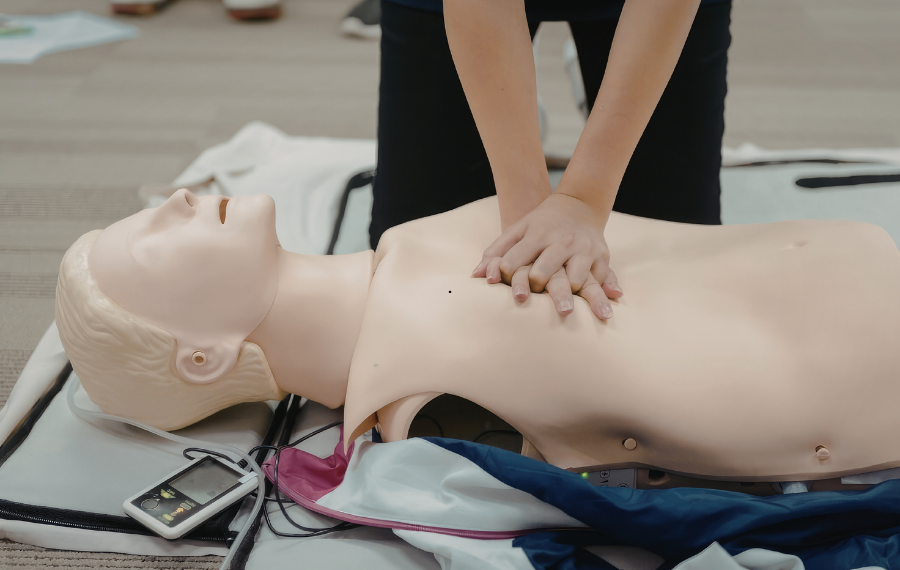
CPR (Cardiopulmonary Resuscitation) is an emergency life-saving technique used when someone’s heart stops beating or they stop breathing. AED (Automated External Defibrillator) use involves delivering an electric shock to help restart a normal heart rhythm.
Together, training teaches individuals how to recognise cardiac arrest, perform chest compressions effectively, and use a defibrillator safely before emergency services arrive.
These skills are not medical-only—they are designed for trained workplace first aiders and can be performed by anyone with the correct training.
Why CPR and AED Skills Are Critical in the Workplace
Cardiac arrest is one of the leading causes of sudden death, and it can occur anywhere—even in low-risk workplaces like offices or retail environments.
In many cases, emergency services may take several minutes to arrive. During this time, survival depends entirely on immediate CPR and defibrillation.
That is why CPR and AED training UK is so important—it empowers employees to take life-saving action in the critical first minutes of an emergency.
How CPR and AED Training Saves Lives
When someone suffers cardiac arrest, every minute without CPR reduces survival chances significantly. Early CPR helps maintain blood flow to the brain, while an AED can restore a normal heart rhythm.
Key life-saving benefits include:
- Increasing survival rates during cardiac arrest
- Preventing brain damage caused by oxygen loss
- Stabilising the casualty until emergency services arrive
This combination of skills makes CPR and AED knowledge one of the most powerful tools in workplace first aid.
Who Needs CPR and AED Training in the Workplace?
All workplace first aiders should be trained in CPR and AED use, regardless of industry type.
While high-risk environments such as construction and manufacturing are obvious candidates, sudden cardiac arrest can occur in any workplace setting.
This is why training is recommended for office staff, retail workers, hospitality teams, and anyone designated as a workplace first aider.
What You Learn in CPR and AED Training UK
A professional training course covers both theory and hands-on practice to ensure real-world readiness.
Typical learning outcomes include:
- Recognising cardiac arrest symptoms
- Performing high-quality chest compressions
- Delivering rescue breaths (where applicable)
- Safe and effective AED operation
- Responding confidently under pressure
At High Aims Training, we focus on realistic scenarios so learners understand exactly how to act in real emergencies.
Why AED Access Alone Is Not Enough
Many workplaces install AED devices, but having equipment alone is not enough. Without proper training, employees may hesitate or use the device incorrectly during an emergency.
This is why training is essential—it ensures staff are confident, quick, and capable of using the equipment effectively when every second matters.
Common Misunderstandings About CPR and AED Use
One common misconception is that AEDs are complicated or dangerous to use. In reality, modern AEDs are designed to guide users step-by-step with voice and visual instructions.
Another misunderstanding is that only medical professionals should perform CPR. In fact, trained first aiders are expected to act immediately, and doing so correctly is encouraged and protected under workplace safety guidelines.
CPR and AED Training in Workplace Compliance
While not every regulation specifies AED training directly, HSE guidance strongly supports equipping first aiders with life-saving skills appropriate to workplace risk.
Providing CPR and AED training UK helps employers demonstrate strong compliance, improve emergency preparedness, and meet expectations for adequate first aid provision.
It also strengthens workplace safety culture and reduces risk during inspections or audits.
Why Regular Refresher Training Matters
CPR and AED skills must be refreshed regularly to ensure confidence and accuracy. Over time, techniques can be forgotten or become less effective without practice.
Refresher training ensures:
- Skills remain sharp and effective
- Confidence in emergency situations is maintained
- First aiders stay up to date with current guidelines
At HighAimsTraining, we recommend periodic refresher sessions to maintain readiness across all workplaces.
The Role of High Aims Training in CPR and AED Education
At High Aims Training, we specialise in delivering high-quality first aid training that prepares employees for real-life emergencies.
Our training courses are designed to be practical, engaging, and aligned with HSE expectations. We focus on hands-on learning so first aiders are confident when it matters most.
We support businesses across all industries, ensuring staff are trained, prepared, and compliant.
Final Thoughts
CPR and AED skills are not optional extras—they are essential life-saving competencies that every workplace first aider should have. Whether in a low-risk office or a high-risk construction site, emergencies can happen anywhere.
Proper training ensures employees are ready to respond quickly, confidently, and correctly when every second counts.
Book CPR and AED Training with High Aims Training
If you want your team to be fully prepared, High Aims Training offers accredited CPR and AED training UK courses designed for all workplace environments.
Contact us today to book training and ensure your staff are confident, compliant, and ready to save lives in 2026.
Frequently Asked Questions
What is CPR and AED training?
CPR and AED training teaches you how to perform cardiopulmonary resuscitation and safely use an Automated External Defibrillator during a cardiac emergency.
Why is CPR and AED training important for workplace first aiders?
It equips first aiders with life-saving skills to respond quickly when someone suffers a cardiac arrest, where every second can make a difference.
Is CPR and AED training included in First Aid at Work courses?
Yes. Most First Aid at Work courses include both CPR training and practical AED use as part of the syllabus.
Do all workplaces need an AED?
An AED is not legally required in every workplace, but it is strongly recommended, especially in higher-risk environments or busy public-facing workplaces.
Is it difficult to use a defibrillator (AED)?
No. AEDs are designed to be simple and user-friendly. They provide clear voice instructions to guide users step by step during an emergency.
Can untrained staff use an AED in an emergency?
Yes. AEDs are designed for use by anyone, even without formal training, although proper CPR and AED training improves confidence and response time.
How often should CPR and AED training be refreshed?
It is recommended that training is refreshed annually to maintain confidence, accuracy, and readiness in real emergency situations.
Why should every workplace first aider learn CPR and AED use?
Because cardiac arrest can happen anywhere, trained first aiders who know CPR and AED use significantly increase the chance of survival before emergency services arrive.