Employers in the UK are legally responsible for ensuring employees receive immediate help if they become injured or seriously unwell while at work. Whether it is a minor workplace accident or a life-threatening emergency such as a heart attack, stroke, or severe injury, businesses must have appropriate first aid arrangements in place.
Good workplace first aid provision is not only about legal compliance. It also helps create a safer working environment where employees feel protected and supported. In many situations, fast first aid intervention can reduce the severity of injuries and improve recovery outcomes before emergency services arrive.
However, many businesses are unsure about exactly what the law requires and how much first aid at work cover is necessary for their workplace. The answer depends on factors such as workplace risks, employee numbers, working environments, and business activities.
In this guide, High Aims Training explains the legal requirements for workplace first aid in the UK, what employers must provide, and how businesses can stay compliant with current HSE regulations.
What Is the UK Law for First Aid at Work?
The main legislation covering workplace first aid is the Health and Safety (First-Aid) Regulations 1981. These regulations require employers to provide adequate and appropriate first aid equipment, facilities, and trained personnel to ensure employees receive immediate attention if they are injured or become ill at work.
The regulations are enforced by the Health and Safety Executive (HSE), which oversees workplace health and safety standards across the UK.
Importantly, these legal duties apply to all businesses regardless of size. Even workplaces with only a small number of employees must still provide suitable first aid arrangements.
Why Workplace First Aid Matters
Workplace incidents can happen unexpectedly in any industry, including offices, schools, warehouses, construction sites, retail environments, and factories. Having proper first aid arrangements in place allows businesses to respond quickly and effectively when emergencies happen.
Strong first aid provision helps employers:
- Meet legal health and safety responsibilities
- Protect employees and visitors
- Improve workplace safety standards
- Reduce emergency response delays
- Increase employee confidence and wellbeing
- Support a stronger workplace safety culture
Employees are more likely to feel secure and valued when they know suitable emergency support is available if something goes wrong.
Can Businesses Be Penalised for Non-Compliance?
Yes. Employers who fail to meet workplace first aid at work requirements can face serious consequences. The HSE has the authority to investigate businesses that do not comply with the Health and Safety (First-Aid) Regulations 1981.
Potential consequences include:
- Significant financial penalties
- Enforcement notices
- Prosecution in serious cases
- Reputational damage
- Increased insurance concerns
- Reduced staff confidence and morale
In addition to legal risks, poor first aid arrangements can negatively affect workplace culture and employee trust. Businesses that prioritise safety often benefit from better staff retention, improved morale, and stronger professional standards.
What Are the Minimum First Aid Requirements for Employers?
Although first aid requirements vary between workplaces, the HSE expects every employer to provide some basic first aid arrangements.
At minimum, workplaces should have:
- A suitably stocked first aid kit
- Someone responsible for managing first aid arrangements
- Clear information explaining workplace first aid procedures
These are the basic legal requirements for first aid work in all UK workplaces. However, many businesses will require additional first aid cover depending on their risks and operational needs.
How Do Employers Decide What First Aid Cover Is Needed?
Employers should complete a first aid needs assessment to identify the level of first aid provision suitable for their workplace.
This assessment helps businesses evaluate workplace risks and determine what resources, training, and personnel are required.
Factors considered during a first aid needs assessment include:
- The type of work being carried out
- Workplace hazards and risks
- Number of employees
- Shift patterns and holiday cover
- Lone workers or remote staff
- Employee health considerations
- Access to emergency medical services
- Whether members of the public visit the premises
For example, higher-risk workplaces such as construction sites or manufacturing facilities usually require more comprehensive first aid arrangements than low-risk office environments.
What Is an Appointed Person?
An appointed person is responsible for overseeing workplace first aid arrangements. Their duties may include:
- Looking after first aid kits and supplies
- Contacting emergency services when needed
- Recording incidents
- Ensuring first aid information is available to staff
An appointed person is not necessarily a fully trained first aider unless the workplace risk assessment identifies that trained first aid personnel are required.
Does Every Workplace Need a Trained First Aider?
Most workplaces will require at least one trained first aider, especially where there are higher risks or larger numbers of employees.
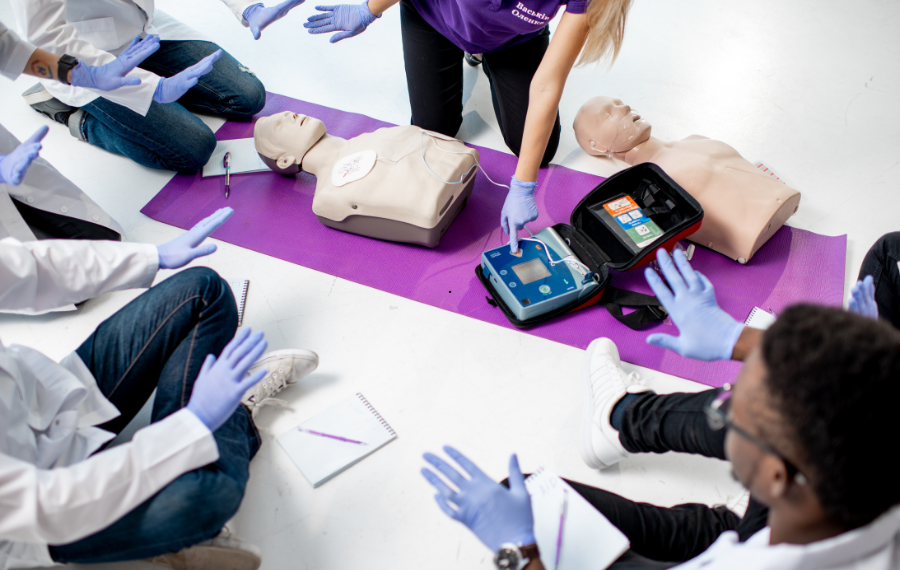
A trained workplace first aider is someone who has completed recognised first aid training such as:
- Emergency First Aid at Work (EFAW)
- First Aid at Work (FAW)
These qualifications provide learners with practical emergency response skills to deal with workplace injuries, illnesses, and medical emergencies confidently.
The number of trained first aiders needed depends on factors such as workplace size, employee numbers, and risk levels.
Should Businesses Choose FAW or EFAW Training?
The right qualification depends on the workplace environment and the outcome of the first aid needs assessment.
Emergency First Aid at Work (EFAW)
- 1-day course
- Suitable for low-risk workplaces
- Covers basic emergency first aid skills
First Aid at Work (FAW)
- 3-day course
- Designed for higher-risk workplaces
- Covers a wider range of injuries and medical conditions
Many medium and higher-risk workplaces choose the full First Aid at Work qualification because it provides more comprehensive workplace emergency training.
What Should Be Included in a Workplace First Aid Kit?
The contents of a first aid kit should reflect workplace risks, but common recommended items include:
- Sterile plasters
- Wound dressings
- Disposable gloves
- Eye pads
- Triangular bandages
- Safety pins
- First aid guidance leaflet
Employers should regularly check supplies and replace expired or used items promptly.
What First Aid Information Must Employees Receive?
Employees should know exactly what first aid arrangements exist within the workplace. Employers should clearly communicate:
- Who the trained first aiders are
- Where first aid kits are located
- Emergency contact procedures
- How to access help quickly
This information is often shared through posters, induction training, staff handbooks, internal systems, or workplace signage.
Businesses should also ensure first aid information is accessible and easy to understand for all employees.
Why Choose High Aims Training?
At High Aims Training, we help businesses meet workplace first aid requirements through practical, professional, and HSE-compliant training courses.
We provide:
- First Aid at Work (FAW) courses
- Emergency First Aid at Work (EFAW) courses
- First aid requalification training
- Annual refresher courses
- Group workplace bookings
- On-site business training
Our experienced trainers focus on practical learning and realistic workplace scenarios to help learners build confidence in real emergency situations.
Final Thoughts
Every UK employer has a legal duty to provide suitable first aid arrangements in the workplace. The exact level of first aid cover required depends on workplace risks, employee numbers, and business activities.
Completing a proper first aid needs assessment is one of the most important steps businesses can take to remain compliant and protect employees effectively.
At High Aims Training, we support businesses across the UK with high-quality workplace first aid training designed to improve safety, confidence, and compliance.
Contact High Aims Training today to discuss your workplace first aid requirements and book the right training course for your team.