
 Menu
Menu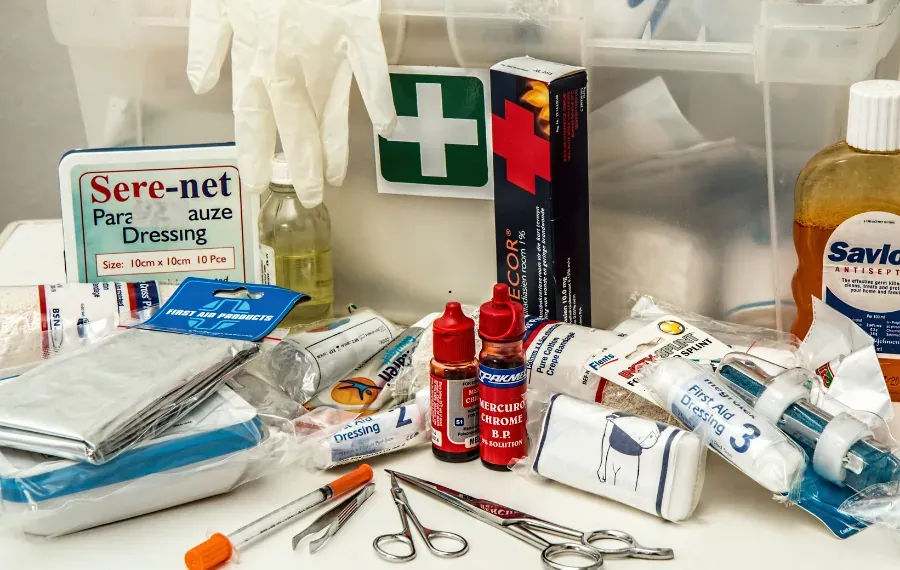
On this page
- Why a Workplace First Aid Kit Is a Legal and Safety Essential
- Standard Contents of a Workplace First Aid Kit Checklist UK
- Recommended Additions for Stronger Emergency Response
- Industry-Specific First Aid Kit Requirements
- Essential Items Often Missing from First Aid Kits
- How Often Should Workplace First Aid Kit Checklist UK
- Be Checked?
- Common Employer Mistakes with First Aid Kits
- Why Training and Equipment Must Work Together
- How High Aims Training Helps Employers Stay Compliant
- Final Thoughts
- Get Workplace First Aid Support with High Aims Training
- FAQs
A workplace first aid kit is often overlooked until an emergency happens—but in that moment, it becomes one of the most important safety resources on site. Whether it’s a minor cut or a more serious injury, having the right supplies immediately available can significantly improve outcomes.
For UK employers, having a compliant and well-stocked kit is not optional. A clear workplace first aid kit checklist UK helps ensure you meet legal expectations, reduce risk, and support trained first aiders in delivering effective care when it matters most.
At High Aims Training, we help organisations build safer, fully compliant workplaces through accredited training and practical safety guidance. This guide explains exactly what your kit should contain, how to maintain it, and what employers commonly get wrong.
Why a Workplace First Aid Kit Is a Legal and Safety Essential
A first aid kit is a core requirement under UK health and safety law. Employers must ensure that appropriate first aid equipment is available based on workplace risks and the number of employees.
However, compliance is only one part of the picture. In real workplace incidents, the speed of response matters just as much as the treatment itself. A properly stocked kit allows immediate action before a trained first aider or emergency services take over.
That’s why a structured first aid kit checklist is essential—not just for compliance, but for real-world readiness.
Standard Contents of a Workplace First Aid Kit Checklist UK
HSE guidance provides a baseline of essential items suitable for most low to moderate risk workplaces. These items are designed to handle everyday injuries quickly and safely.
A compliant kit typically includes:
- Sterile plasters (assorted sizes)
- Sterile eye pads and eye wash
- Triangular bandages for slings and support
- Sterile wound dressings (various sizes)
- Adhesive tape
- Disposable nitrile gloves
- Cleansing wipes or saline solution
These essentials form the foundation of any workplace first aid kit checklist UK and ensure basic injuries can be treated effectively.
Recommended Additions for Stronger Emergency Response
While the standard kit covers basic needs, many workplaces benefit from additional supplies that improve emergency readiness.
Recommended extras include:
- Burn dressings or burn gel for thermal injuries
- Foil blanket to manage shock or exposure
- CPR face shield or resuscitation mask
- Scissors for cutting bandages or clothing
- Safety pins and finger dressings
These additions provide first aiders with more flexibility when dealing with real-world incidents, especially in fast-paced environments.
Industry-Specific First Aid Kit Requirements
Not all workplaces face the same risks, so first aid kits should be adapted based on industry type and hazard level.
For example:
- Construction sites may require trauma dressings and eye irrigation solutions
- Warehouses may need crush injury support items and extra bandaging
- Kitchens and hospitality environments should prioritise burn treatment supplies
- Offices usually remain aligned with the standard kit, with minimal additions
A tailored workplace first aid kit checklist UK ensures your kit matches actual workplace hazards instead of using a generic approach.
Essential Items Often Missing from First Aid Kits
Even well-prepared employers frequently miss small but important items that improve efficiency during emergencies.
Commonly overlooked essentials include:
- First aid guidance leaflet for quick reference
- Notepad and pen for incident recording
- Spare gloves for hygiene control
- Small scissors or shears
- Waste bags for contaminated materials
Although simple, these items can significantly improve organisation and response speed during stressful situations.
How Often Should Workplace First Aid Kit Checklist UK
Be Checked?
A first aid kit is only effective if it is regularly maintained and fully stocked. Employers should not assume contents remain complete after initial setup.
Best practice includes:
- Monthly inspections of all kits
- Immediate replacement of used or expired items
- Monitoring sterile product expiry dates
- Keeping a documented inspection checklist
Maintaining a consistent checklist process ensures your workplace remains compliant and ready for inspection at any time.
Common Employer Mistakes with First Aid Kits
Many compliance issues arise not from lack of equipment, but from poor maintenance and incorrect assumptions.
Typical mistakes include:
- Using outdated or incomplete kits
- Not restocking after use
- Keeping kits in inaccessible locations
- Failing to adjust kits for workplace risks
- Assuming one kit fits all environments
These issues can slow down emergency response and reduce overall workplace safety effectiveness.
Why Training and Equipment Must Work Together
A fully stocked first aid kit is only effective when supported by trained staff who understand how to use it correctly.
Even the best workplace first aid kit checklist UK is ineffective without employees who can act confidently in emergencies. Training ensures first aiders know how to assess injuries, use equipment correctly, and respond under pressure.
At High Aims Training, we focus on combining practical training with real workplace application so employers are fully prepared.
How High Aims Training Helps Employers Stay Compliant
At High Aims Training, we support UK businesses in building complete and compliant first aid systems—not just meeting minimum standards.
We help employers by:
- Delivering accredited first aid training
- Guiding correct risk-based kit selection
- Supporting HSE compliance understanding
- Improving real-world emergency readiness
Our approach ensures workplaces are not only compliant on paper but genuinely prepared in practice.
Final Thoughts
A workplace first aid kit is a simple but powerful part of any safety system. When supported by a structured checklist, it ensures employees are protected, incidents are managed effectively, and compliance standards are met.
The real strength comes from combining proper equipment, regular maintenance, and trained first aiders who can respond immediately when needed.
Get Workplace First Aid Support with High Aims Training
If you want expert help with compliance or first aid training, High Aims Training provides accredited courses and practical safety guidance across the UK.
Contact us today to ensure your workplace is fully equipped, compliant, and prepared for emergencies in 2026.
FAQs
Where should a workplace first aid kit be kept?
A workplace first aid kit should be stored in an easy-to-access and clearly marked location known to all staff.
What is the difference between a workplace and personal first aid kit?
A workplace first aid kit is designed to treat multiple people and meet health and safety requirements, while a personal kit is usually smaller and for individual use.
Do construction sites need special first aid kits?
Yes, construction sites often require additional supplies such as burn dressings, large wound dressings, and extra bandages due to higher injury risks.
Can expired items stay in a first aid kit?
No, expired items should be replaced immediately to ensure supplies remain safe and effective during emergencies.
How many first aid kits should a business have?
The number depends on workplace size, staff numbers, and risk level. Larger workplaces usually need multiple kits.
Should first aid kits be labelled?
Yes, workplace first aid kits should be clearly labelled and easy for employees to identify in an emergency.
What happens if a workplace has no first aid kit?
Employers may fail to meet UK health and safety regulations and put staff at greater risk during emergencies.
Do vehicles used for work need first aid kits?
Yes, company vehicles and work vans should carry a suitable first aid kit, especially for employees working off-site.