 Menu
Menu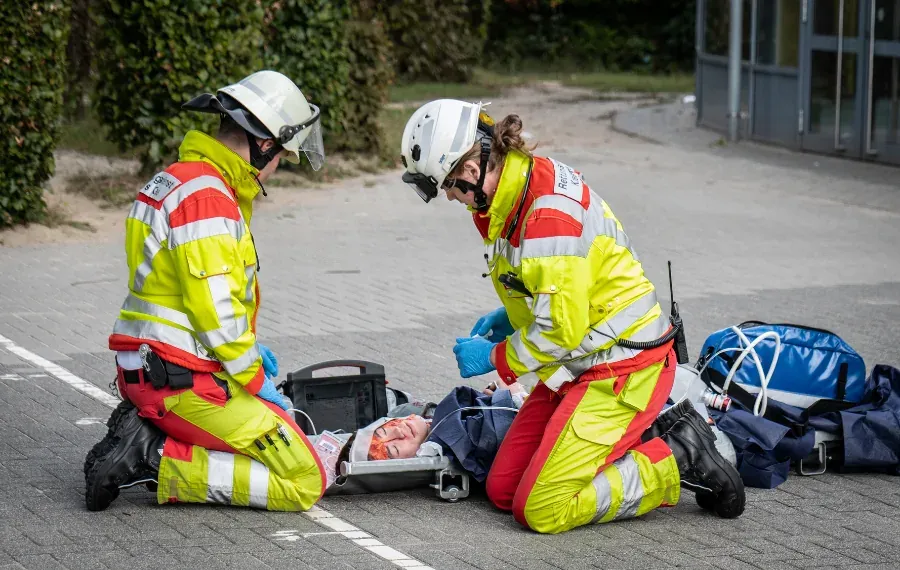
On this page
- What Is First Aid?
- Why Is First Aid Important?
- The Three Main Aims of First Aid
- Basic First Aid Skills Everyone Should Know
- Who Should Learn First Aid?
- First Aid in the Workplace
- Benefits of Taking a First Aid Course
- Keeping Your First Aid Skills Up to Date
- Conclusion
- Frequently Asked Questions
- Book Your First Aid Training with High Aims Training
Accidents and medical emergencies can happen at any time, whether in the workplace, at home, or in public. Knowing what first aid is and how to respond correctly can make a significant difference while waiting for professional medical assistance. First aid is often the first step in protecting a person's health, preventing further injury, and even saving lives.
For employers and employees across the UK, first aid is an essential part of workplace health and safety. Having trained first aiders and the right equipment helps businesses respond quickly to emergencies while meeting legal responsibilities.
What Is First Aid?
First aid is the immediate care provided to someone who has been injured or suddenly becomes ill before qualified medical professionals arrive. It involves simple but effective actions that help stabilise the casualty, reduce the severity of injuries, and improve the chances of recovery.
First aid is not intended to replace professional medical treatment. Instead, it provides temporary support until emergency services or healthcare professionals take over.
Some common situations where first aid may be required include:
- Cuts and severe bleeding
- Burns and scalds
- Broken bones and sprains
- Choking
- Heart attacks
- Cardiac arrest
- Stroke
- Allergic reactions
- Seizures
- Unconscious casualties
Quick action during these situations can often prevent complications and improve outcomes.
Why Is First Aid Important?
First aid plays a vital role in protecting lives and reducing the impact of injuries. The first few minutes after an accident are often the most critical, and having someone nearby with first aid knowledge can make all the difference.
Some of the key benefits of first aid include:
- Preserving life during emergencies
- Preventing injuries or illnesses from becoming worse
- Promoting faster recovery
- Providing reassurance to the casualty
- Supporting emergency services before they arrive
- Creating safer workplaces and communities
Whether it's treating a minor cut or performing CPR during cardiac arrest, first aid can have a lasting impact on someone's wellbeing.
The Three Main Aims of First Aid
Every trained first aider follows three fundamental objectives whenever responding to an emergency.
Preserve Life
The first priority is always to keep the casualty alive. This may involve checking the airway, monitoring breathing, controlling severe bleeding, or performing CPR until emergency services arrive.
Prevent the Condition from Worsening
First aid aims to stop injuries or illnesses from becoming more serious. This could involve immobilising a suspected fracture, cooling a burn, or moving a casualty away from danger if it is safe to do so.
Promote Recovery
Providing appropriate care and reassurance helps support recovery. Keeping the casualty comfortable, monitoring their condition, and ensuring they receive professional medical attention are all part of effective first aid.
Basic First Aid Skills Everyone Should Know
Professional first aid training teaches practical skills that prepare people to respond confidently during emergencies.
These essential skills include:
- Performing CPR (Cardiopulmonary Resuscitation)
- Using an Automated External Defibrillator (AED)
- Controlling severe bleeding
- Treating burns and scalds
- Helping someone who is choking
- Placing an unconscious casualty in the recovery position
- Managing shock
- Supporting fractures and sprains
- Recognising the signs of a heart attack or stroke
Learning these techniques gives individuals the confidence to act quickly and appropriately when every second counts.
Who Should Learn First Aid?
While first aid training is valuable for everyone, it is particularly important for people working in environments where accidents are more likely to occur.
Those who can benefit include:
- Construction workers
- Site supervisors
- Office employees
- Teachers
- Childcare professionals
- Security staff
- Warehouse workers
- Care workers
- Parents and guardians
- Sports coaches
Having trained first aiders in the workplace creates a safer environment for both employees and visitors.
First Aid in the Workplace
Employers in the UK have a legal responsibility to provide appropriate first aid arrangements based on their workplace risk assessment.
This may include:
- Providing suitable first aid kits
- Appointing trained first aiders
- Displaying emergency contact information
- Recording workplace accidents
- Regularly checking first aid equipment
- Reviewing first aid procedures
The level of first aid provision depends on the size of the organisation, the number of employees, and the risks associated with the work being carried out.
Benefits of Taking a First Aid Course
Completing a recognised first aid course offers many personal and professional advantages.
Some of the key benefits include:
- Learning life-saving skills
- Building confidence during emergencies
- Meeting workplace health and safety requirements
- Improving career opportunities
- Supporting colleagues, friends, and family
- Gaining a recognised first aid qualification
Practical training also allows learners to practise real-life emergency scenarios under the guidance of experienced instructors.
Keeping Your First Aid Skills Up to Date
First aid guidance and workplace safety standards continue to evolve. Regular refresher training ensures that first aiders remain confident and competent when responding to emergencies.
Employers should monitor certification expiry dates and arrange refresher training where necessary. Staying current with first aid knowledge helps maintain a safe and compliant workplace.
Conclusion
Understanding what first aid is is an important step towards protecting yourself and those around you. First aid provides immediate assistance during emergencies, helping to preserve life, prevent injuries from worsening, and promote recovery until professional medical help arrives.
Whether you work in construction, an office, a school, or any other environment, first aid training equips you with valuable life-saving skills. Investing in recognised first aid training not only improves workplace safety but also gives you the confidence to act when it matters most.
Frequently Asked Questions
What is first aid?
First aid is the immediate care given to someone who is injured or suddenly becomes ill before professional medical treatment is available.
Why is first aid important?
First aid helps preserve life, prevents injuries from becoming worse, and supports recovery while waiting for emergency services.
Who should take a first aid course?
Anyone can benefit from first aid training, especially employers, employees, supervisors, parents, teachers, and people working in higher-risk environments.
Is first aid training mandatory in UK workplaces?
Many UK employers are legally required to provide adequate first aid arrangements based on a workplace first aid needs assessment.
What skills are taught in a first aid course?
Typical first aid courses cover CPR, AED use, treating bleeding, burns, choking, fractures, shock, unconscious casualties, and emergency response procedures.
Book Your First Aid Training with High Aims Training
At High Aims Training, we provide professional First Aid at Work and Emergency First Aid at Work courses designed to help individuals and businesses meet UK workplace health and safety requirements. Our experienced trainers deliver practical, engaging sessions that give learners the confidence to respond effectively in emergency situations.
Book your First Aid course today and take the first step towards creating a safer workplace.