 Menu
Menu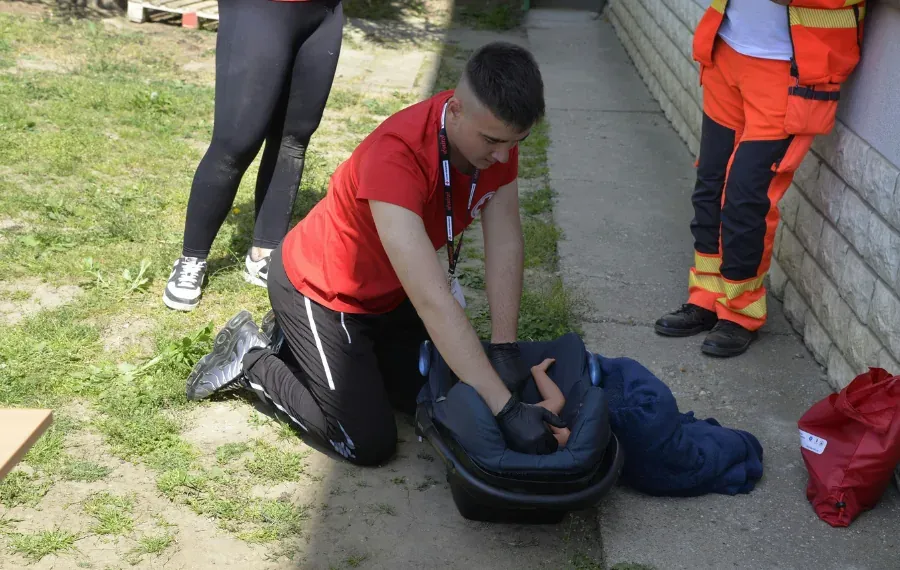
On this page
- What Is a First Aid Certificate?
- Step 1: Choose the Right First Aid Course
- Step 2: Find an Accredited Training Provider
- Step 3: Attend the Training Course
- Step 4: Complete the Assessment
- Step 5: Receive Your First Aid Certificate
- Who Needs a First Aid Certificate?
- Benefits of Having a First Aid Certificate
- How Much Time Does It Take?
- Keeping Your Certificate Valid
- Why Choose Professional First Aid Training?
- Conclusion
- Frequently Asked Questions
- Book Your First Aid Course with High Aims Training
Knowing how to respond in an emergency is a valuable skill that can help save lives. Whether you want to meet workplace requirements, improve your career prospects, or simply be prepared to help others, obtaining a recognised first aid qualification is an excellent investment.
Many people ask, how to get a first aid certificate? The process is straightforward, but choosing the right course and training provider is essential. This guide explains everything you need to know, from selecting the appropriate course to receiving your certificate.
What Is a First Aid Certificate?
A first aid certificate is proof that you have successfully completed an approved first aid training course. During the course, you learn how to respond to a range of medical emergencies using recognised first aid techniques.
Depending on the course you choose, you may learn how to:
- Assess an emergency situation
- Perform CPR
- Use an Automated External Defibrillator (AED)
- Treat cuts and severe bleeding
- Manage burns and scalds
- Help someone who is choking
- Care for unconscious casualties
- Recognise heart attacks and strokes
- Deal with shock and other medical emergencies
After successfully completing the course and assessment, you will receive a recognised certificate that demonstrates your competence.
Step 1: Choose the Right First Aid Course
The first step is selecting a course that matches your needs.
Some of the most common workplace first aid courses include:
This one-day course is suitable for lower-risk workplaces and covers essential life-saving skills.
First Aid at Work (FAW)
This more comprehensive course is designed for higher-risk environments such as construction sites, warehouses, and manufacturing facilities.
Paediatric First Aid
Ideal for childcare professionals, teachers, and anyone responsible for infants or young children.
Choosing the correct course ensures you receive training that meets your workplace responsibilities.
Step 2: Find an Accredited Training Provider
Always choose a reputable training provider that delivers recognised first aid qualifications.
A quality provider should offer:
- Experienced instructors
- Practical hands-on learning
- Up-to-date training materials
- Small class sizes
- Recognised certification
- Ongoing learner support
Professional training ensures you gain both knowledge and confidence when responding to emergencies.
Step 3: Attend the Training Course
During your course, you will participate in both classroom learning and practical exercises.
Training usually includes:
- Understanding the role of a first aider
- Assessing emergency situations safely
- CPR practice
- Using an AED
- Treating wounds and bleeding
- Managing burns
- Responding to choking incidents
- Helping unconscious casualties
- Recording incidents correctly
Practical sessions allow learners to build confidence by practising real-life emergency scenarios.
Step 4: Complete the Assessment
Most recognised first aid courses include an assessment to confirm that participants understand the course content and can apply their skills correctly.
Assessments may involve:
- Practical demonstrations
- Observation by the trainer
- Short written or verbal questions
- Continuous assessment throughout the course
The assessment is designed to ensure learners can confidently respond during genuine emergencies.
Step 5: Receive Your First Aid Certificate
Once you successfully complete the course, you will receive your first aid certificate.
This certificate demonstrates that you have achieved a recognised first aid qualification and are capable of providing emergency assistance in line with your training.
For most workplace courses in the UK, certificates remain valid for three years before renewal is required.
Who Needs a First Aid Certificate?
A first aid certificate is useful for almost everyone, but it is particularly important for:
- Workplace first aiders
- Construction workers
- Site supervisors
- Office employees
- Teachers
- Childcare professionals
- Security staff
- Care workers
- Sports coaches
- Volunteers
Many employers require designated first aiders to hold a valid qualification to help maintain workplace safety.
Benefits of Having a First Aid Certificate
Obtaining a recognised qualification offers many advantages.
These include:
- Learning life-saving skills
- Improving workplace safety
- Meeting employer requirements
- Increasing confidence during emergencies
- Supporting career development
- Demonstrating commitment to health and safety
- Helping family, friends, and colleagues when accidents occur
A first aid certificate is a valuable qualification that benefits both individuals and organisations.
How Much Time Does It Take?
The length of your training depends on the course you choose.
For example:
- Emergency First Aid at Work courses are usually completed in one day.
- First Aid at Work courses generally take three days.
Your training provider will explain the course duration and assessment requirements before you enrol.
Keeping Your Certificate Valid
A first aid certificate does not last forever. Most workplace first aid qualifications must be renewed every three years.
To maintain your qualification:
- Monitor your certificate expiry date.
- Book your renewal course before it expires.
- Attend refresher training when recommended.
- Stay informed about updates to first aid guidance.
Keeping your qualification current ensures you remain confident and compliant with workplace health and safety requirements.
Why Choose Professional First Aid Training?
Professional training provides much more than a certificate. It equips you with practical skills that can make a real difference during an emergency.
By learning from experienced instructors and practising realistic scenarios, you gain the confidence to act quickly and effectively when someone needs immediate assistance.
Whether you are meeting workplace obligations or learning a valuable life skill, investing in quality first aid training is always worthwhile.
Conclusion
If you have been wondering how to get a first aid certificate, the process is simple. Choose the right course, enrol with a trusted training provider, complete the practical training and assessment, and receive your recognised qualification.
A first aid certificate not only supports workplace compliance but also equips you with life-saving skills that could help protect colleagues, friends, family members, or members of the public in an emergency. By keeping your qualification up to date, you can continue making a positive difference whenever your skills are needed.
Frequently Asked Questions
How do I get a first aid certificate in the UK?
You need to complete a recognised first aid training course with an approved training provider and successfully pass the course assessment.
How long does it take to get a first aid certificate?
An Emergency First Aid at Work course usually takes one day, while a First Aid at Work course generally takes three days.
Does a first aid certificate expire?
Yes. Most workplace first aid certificates in the UK are valid for three years.
Do I need previous experience?
No. Most first aid courses are suitable for beginners and do not require any previous medical knowledge.
Is a first aid certificate recognised by employers?
Yes. A recognised workplace first aid qualification is widely accepted by employers across the UK.
Book Your First Aid Course with High Aims Training
Ready to gain a recognised first aid qualification? High Aims Training offers professional Emergency First Aid at Work (EFAW) and First Aid at Work (FAW) courses delivered by experienced trainers. Our practical, engaging training helps individuals and businesses meet UK workplace health and safety requirements while building the confidence to respond effectively in emergency situations.
Book your course with High Aims Training today and take the first step towards becoming a qualified first aider.