 Menu
Menu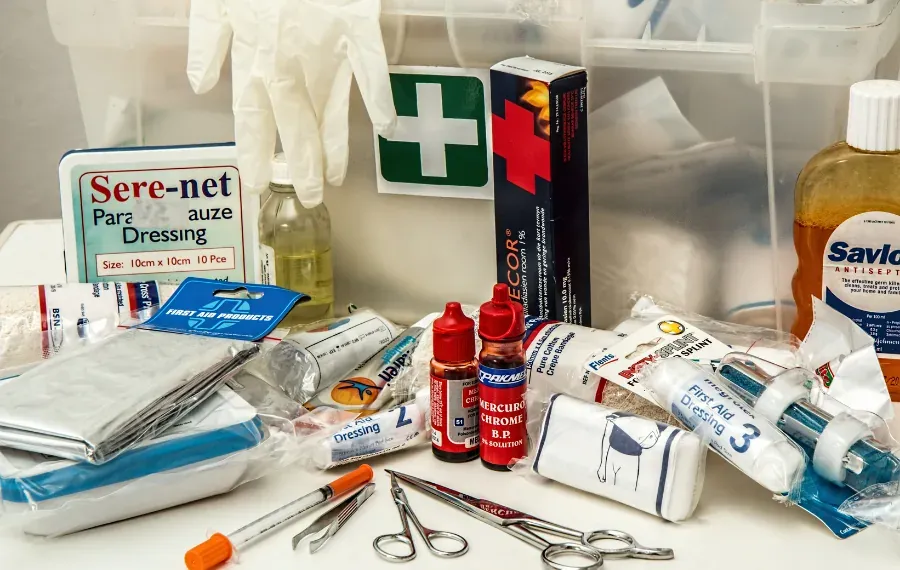
On this page
- Why Is a Workplace First Aid Kit Important?
- What Should Be Included in a Workplace First Aid Kit?
- Additional Supplies for High-Risk Workplaces
- Who Is Responsible for Maintaining the First Aid Kit?
- Where Should a First Aid Kit Be Kept?
- Do All Workplaces Need a First Aid Kit?
- Common Mistakes to Avoid
- First Aid Training Is Just as Important
- Conclusion
- Frequently Asked Questions
- Book Your First Aid Course with High Aims Training
Every workplace should be prepared to deal with accidents and medical emergencies. Whether you operate a small office, a busy warehouse, or a construction site, having a fully stocked first aid kit is an essential part of workplace safety. Many employers ask, what should be in a first aid kit at work? The answer depends on the nature of your business, the number of employees, and the results of your workplace risk assessment.
A properly maintained first aid kit allows trained first aiders to respond quickly to common injuries while waiting for professional medical assistance. It also helps employers meet their responsibilities under UK health and safety legislation.
Why Is a Workplace First Aid Kit Important?
Accidents can happen without warning. Cuts, burns, slips, trips, and other injuries are common in many workplaces. Having the correct first aid equipment readily available allows injuries to be treated quickly, helping to reduce the severity of the incident and support recovery.
A well-equipped first aid kit can help:
- Provide immediate treatment for minor injuries
- Support life-saving actions before emergency services arrive
- Reduce the risk of infection
- Improve workplace safety
- Help employers meet legal responsibilities
Every workplace should ensure that first aid supplies are easily accessible and regularly checked.
What Should Be Included in a Workplace First Aid Kit?
The exact contents of a workplace first aid kit will vary depending on your risk assessment. However, most kits should contain the following essential items:
- Sterile adhesive dressings in various sizes
- Sterile wound dressings
- Triangular bandages
- Safety pins
- Eye dressings
- Sterile saline or eye wash (where appropriate)
- Disposable nitrile gloves
- Cleansing wipes
- Microporous tape
- Finger dressings
- Foil emergency blanket
- Scissors
- Resuscitation face shield
- Burn dressings (where required)
- Instant cold packs (if suitable)
These items allow first aiders to deal with many common workplace injuries until further medical treatment is available.
Additional Supplies for High-Risk Workplaces
Some workplaces require additional equipment because of the higher level of risk involved.
Examples include:
- Construction sites
- Manufacturing facilities
- Warehouses
- Engineering workshops
- Chemical processing plants
Additional supplies may include:
- Large trauma dressings
- Burn treatment kits
- Eye wash stations
- Tourniquets (where appropriate and training has been provided)
- Finger splints
- Heavy-duty bandages
- Extra disposable gloves
Employers should always carry out a workplace risk assessment to determine what additional equipment may be necessary.
Who Is Responsible for Maintaining the First Aid Kit?
Employers should appoint a responsible person to inspect and maintain workplace first aid supplies.
Their duties include:
- Checking expiry dates
- Replacing used items
- Keeping the kit clean
- Ensuring equipment remains easily accessible
- Recording inspections where required
Regular inspections help ensure the kit is fully stocked and ready for use whenever an emergency occurs.
Where Should a First Aid Kit Be Kept?
A first aid kit should be stored in a clearly marked location where employees can access it quickly.
Good locations include:
- Reception areas
- Staff kitchens
- Offices
- Workshops
- Warehouses
- Construction site welfare units
- Company vehicles (where appropriate)
The kit should always be visible, easy to reach, and protected from excessive heat, moisture, or contamination.
Do All Workplaces Need a First Aid Kit?
Yes. Every employer should provide suitable first aid equipment based on the findings of their first aid needs assessment.
The number of kits required depends on factors such as:
- Number of employees
- Workplace size
- Type of work carried out
- Level of risk
- Number of different work locations
- Shift patterns
Larger or higher-risk workplaces may require several first aid kits positioned throughout the premises.
Common Mistakes to Avoid
Many businesses make simple mistakes when managing workplace first aid supplies.
Avoid the following:
- Keeping expired items
- Storing the kit in a locked cupboard
- Failing to replace used dressings
- Not checking stock levels regularly
- Providing too few first aid kits
- Not training employees to use the equipment
Regular reviews help ensure your workplace remains prepared for emergencies.
First Aid Training Is Just as Important
Having a well-stocked first aid kit is only part of workplace safety. Employees also need the knowledge and confidence to use the equipment correctly.
A recognised First Aid at Work or Emergency First Aid at Work course teaches participants how to:
- Assess emergency situations
- Treat injuries safely
- Perform CPR
- Use an AED
- Control bleeding
- Respond to choking incidents
- Manage unconscious casualties
Combining proper equipment with professional training provides the highest level of workplace protection.
Conclusion
Knowing what should be in a first aid kit at work is an important part of creating a safe working environment. A well-maintained first aid kit allows trained staff to respond quickly to injuries and medical emergencies, helping to protect employees, visitors, and members of the public.
By regularly inspecting your first aid supplies and ensuring employees receive appropriate training, your organisation can maintain a safer and more compliant workplace.
Frequently Asked Questions
What should every workplace first aid kit contain?
A basic workplace first aid kit should include sterile dressings, bandages, adhesive plasters, disposable gloves, eye dressings, cleansing wipes, tape, scissors, and other essential medical supplies.
Is there a legal list of first aid kit contents in the UK?
There is no single mandatory list. Employers should decide what is required based on their workplace first aid needs assessment.
How often should a workplace first aid kit be checked?
First aid kits should be inspected regularly to replace expired or used items and ensure they remain fully stocked.
Can construction sites require additional first aid supplies?
Yes. Higher-risk workplaces such as construction sites often need additional equipment, including trauma dressings, burn treatments, and eye wash facilities.
Who is responsible for checking the first aid kit?
Employers should appoint a responsible person to inspect, maintain, and restock workplace first aid kits.
Book Your First Aid Course with High Aims Training
At High Aims Training, we provide recognised Emergency First Aid at Work (EFAW) and First Aid at Work (FAW) courses to help individuals and businesses meet UK workplace health and safety requirements. Our experienced trainers deliver practical, hands-on learning that gives you the confidence to respond effectively in emergency situations.
Book your training today and ensure your workplace is prepared when it matters most.