Understanding workplace first aid roles is a key part of HSE compliance for UK employers. One of the most common areas of confusion is the difference between an appointed person and a trained first aider, especially when it comes to appointed person first aid requirements.
At High Aims Training, we regularly help businesses clarify this distinction so they can meet legal obligations correctly and avoid both undertraining and unnecessary training costs. This guide answers the most common compliance questions employers ask when deciding which role their workplace actually needs.
What Is an Appointed Person First Aider?
An appointed person is someone nominated by an employer to take responsibility for first aid arrangements when a full first aider is not legally required in the workplace.
Unlike a trained first aider, they do not provide medical treatment or emergency care. Their role is administrative and supportive, ensuring that basic first aid systems are in place.
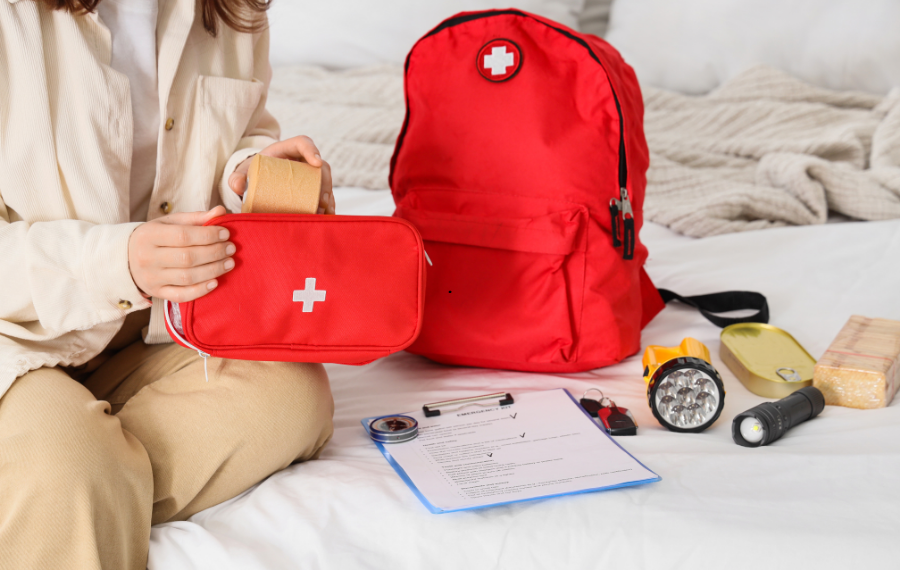
In the context of appointed person first aid, they are responsible for actions such as calling emergency services, managing first aid kits, and ensuring equipment is available and maintained.
What Does a Trained First Aider Do?
A trained first aider is a qualified employee who has completed an accredited first aid course, such as Emergency First Aid at Work or First Aid at Work.
Their role is active and hands-on. They are trained to assess injuries, provide immediate treatment, and respond to a wide range of workplace emergencies.
This includes life-saving interventions such as CPR, choking response, controlling severe bleeding, and stabilising casualties until emergency services arrive.
Appointed Person First Aid: What Are Their Exact Responsibilities?
The appointed person role is limited but still important for compliance in low-risk environments.
Their responsibilities usually include:
- Calling emergency services when required
- Looking after and maintaining first aid kits
- Ensuring first aid arrangements are available at all times
- Keeping basic incident records
They are not trained to deliver first aid treatment and should not be expected to manage medical emergencies directly.
Key Difference Between an Appointed Person and a First Aider
The main difference comes down to training and responsibility during emergencies.
A trained first aider actively treats injured or ill individuals and makes immediate medical decisions based on their training. An appointed person does not provide treatment and instead ensures systems are in place for emergency support.
In simple terms, an appointed person is about coordination and support, while a trained first aider is about immediate medical response.
When Is an Appointed Person First Aider Enough?
An appointed person may be sufficient in very low-risk workplaces where serious injuries are unlikely and emergency services can respond quickly.
This typically applies to small offices or low-risk environments with minimal hazards and very few employees.
However, even in these cases, employers must still carry out a risk assessment to confirm that an appointed person is adequate under HSE guidance.
When Do You Need a Trained First Aider?
Most workplaces will require at least one trained first aider depending on risk level and workforce size.
A trained first aider is generally required in environments such as construction sites, warehouses, manufacturing facilities, schools, hospitality venues, and larger offices.
In these workplaces, relying only on appointed person first aid arrangements would not meet adequate safety expectations due to higher risk exposure.
What Does the Law Say? (HSE Requirements Explained)
UK law does not always require a trained first aider in every workplace, but it does require employers to ensure “adequate and appropriate” first aid provision.
This means employers must assess risks, number of employees, and access to emergency services before deciding between an appointed person or a trained first aider.
If risks are anything beyond very low, HSE guidance strongly supports having trained first aiders in place.
Common Employer Questions About First Aid Roles
Many employers ask whether an appointed person can handle emergencies or replace a trained first aider. The answer is no.
Another common question is whether small businesses always need training. The answer depends entirely on the risk assessment and workplace conditions, not business size alone.
Misunderstanding appointed person responsibilities often leads to underprepared workplaces and compliance risks.
Why This Difference Matters for Workplace Safety
The distinction between these roles is not just technical—it directly impacts how quickly and effectively a workplace can respond to emergencies.
A trained first aider can intervene immediately and potentially prevent a situation from becoming more serious. An appointed person ensures systems are in place but does not provide treatment.
Choosing the wrong role can delay emergency response and increase risk to employees.
How High Aims Training Helps Employers Decide
At High Aims Training, we help employers understand exactly what level of first aid cover they need based on HSE guidance and real workplace risk.
We support businesses by:
- Explaining role differences clearly
- Assessing workplace risk levels
- Recommending correct training options
- Delivering accredited first aid courses
Our goal is to ensure every employer meets compliance confidently and correctly.
Final Verdict: Appointed Person vs First Aider
An appointed person is suitable only in very low-risk workplaces where serious injuries are unlikely. A trained first aider is required in most other environments where there is any meaningful risk of harm.
The correct choice always depends on your workplace risk assessment, not assumptions or convenience.
Understanding appointed person first aid correctly helps ensure both legal compliance and real workplace safety.
Book the Right First Aid Training with High Aims Training
If you are unsure whether your workplace needs an appointed person or a trained first aider, High Aims Training can help you make the correct compliance decision.
Contact us today to book accredited training and ensure your workplace is safe, compliant, and fully prepared for emergencies in 2026.
FAQs
What is a trained first aider?
A trained first aider is someone who has completed an approved first aid training course and can provide emergency treatment in the workplace.
What is an appointed person in first aid?
An appointed person is responsible for managing first aid arrangements, such as calling emergency services and maintaining first aid supplies.
Does an appointed person need first aid training?
Formal first aid training is not always legally required for an appointed person, but basic training is strongly recommended.
Can an appointed person give first aid?
An appointed person can assist during emergencies, but they are not considered a fully qualified workplace first aider unless trained.
When does a workplace need a trained first aider?
Higher-risk workplaces or businesses with larger staff numbers usually require trained first aiders under UK regulations.
Is a trained first aider legally required in every workplace?
Not always. Requirements depend on the workplace risk assessment, number of employees, and nature of the work.