 Menu
Menu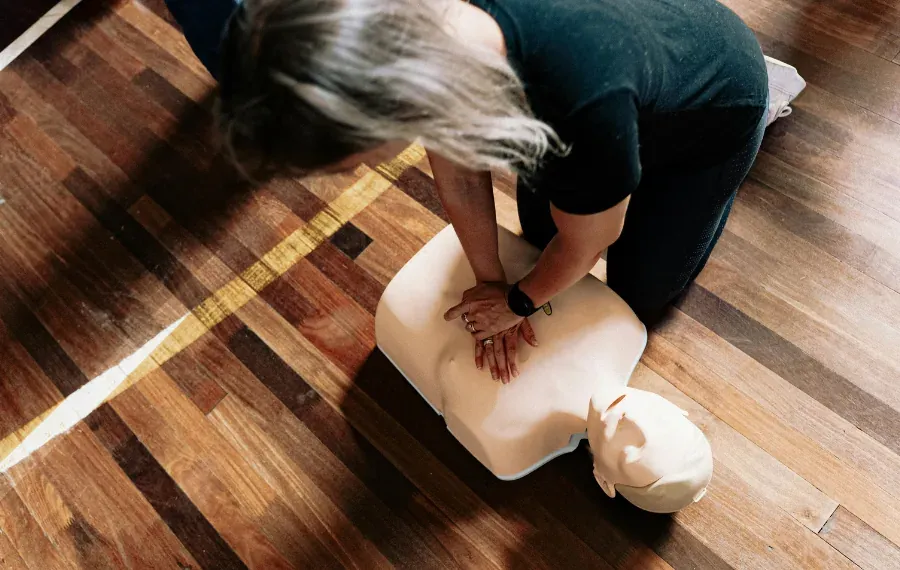
On this page
- What Does a First Aid Trainer Do?
- Gain a Recognised First Aid Qualification
- Develop Teaching Skills
- Build Practical Experience
- Stay Up to Date with First Aid Guidance
- Develop Strong Communication Skills
- Learn to Deliver Practical Training
- Understand Workplace Health and Safety
- Career Opportunities for First Aid Trainers
- Skills That Make a Great First Aid Trainer
- Why Become a First Aid Trainer?
- Conclusion
- Frequently Asked Questions
- Train with High Aims Training
If you're passionate about helping others and enjoy teaching, becoming a first aid trainer can be a rewarding career choice. Many organisations, schools, businesses, and construction companies rely on qualified trainers to deliver workplace first aid courses that prepare people to respond confidently during emergencies.
A common question is, "How to become an accredited first aid trainer?" While there isn't a single route that suits everyone, there are several important qualifications, skills, and practical experiences that can help you build a successful career in first aid training.
This guide explains the typical steps involved in becoming a professional first aid trainer in the UK.
What Does a First Aid Trainer Do?
A first aid trainer teaches individuals and groups how to respond to medical emergencies safely and effectively.
Their responsibilities often include:
- Delivering classroom presentations
- Demonstrating CPR and AED techniques
- Teaching practical first aid skills
- Assessing learners during training
- Preparing course materials
- Keeping training records
- Staying up to date with first aid guidance
- Supporting learners throughout the course
A good trainer combines technical knowledge with excellent communication and teaching skills.
Gain a Recognised First Aid Qualification
Before teaching others, you should have a strong understanding of first aid yourself.
Many trainers begin by completing recognised qualifications such as:
- Emergency First Aid at Work (EFAW)
- First Aid at Work (FAW)
- Paediatric First Aid
- Mental Health First Aid (where relevant)
Practical experience is essential, as learners expect trainers to demonstrate techniques confidently and answer questions accurately.
Develop Teaching Skills
Knowing first aid is only part of the role. You also need to know how to teach effectively.
Many professional trainers complete a recognised teaching or training qualification that helps them learn how to:
- Plan lessons
- Deliver engaging presentations
- Assess learners
- Manage classroom discussions
- Adapt teaching methods for different learning styles
- Provide constructive feedback
Strong teaching skills help create a positive learning experience and improve learner confidence.
Build Practical Experience
Experience is one of the most valuable assets for any trainer.
You can gain practical experience by:
- Assisting experienced instructors
- Volunteering with community organisations
- Delivering toolbox talks
- Supporting workplace training sessions
- Practising demonstrations regularly
The more experience you gain, the more confident you'll become when teaching different groups.
Stay Up to Date with First Aid Guidance
First aid techniques and best practices can change over time.
Professional trainers should regularly update their knowledge by:
- Attending refresher training
- Reviewing current guidance
- Participating in continuing professional development (CPD)
- Maintaining their own first aid qualifications
Keeping your knowledge current ensures learners receive accurate and relevant information.
Develop Strong Communication Skills
A successful first aid trainer should be able to explain complex information in a simple and engaging way.
Important communication skills include:
- Speaking clearly
- Listening carefully
- Answering questions confidently
- Encouraging learner participation
- Giving clear practical demonstrations
- Providing supportive feedback
Good communication helps learners feel comfortable and improves knowledge retention.
Learn to Deliver Practical Training
First aid is a practical subject, so demonstrations and hands-on practice are essential.
Professional trainers should be comfortable teaching learners how to:
- Perform CPR
- Use an AED
- Control severe bleeding
- Treat burns
- Help someone who is choking
- Place casualties in the recovery position
Encouraging learners to practise these skills builds confidence and prepares them for real-life emergencies.
Understand Workplace Health and Safety
Many first aid trainers work with businesses across different industries.
Understanding workplace health and safety principles can help trainers deliver more relevant learning experiences.
Knowledge of industries such as:
- Construction
- Manufacturing
- Warehousing
- Offices
- Education
- Hospitality
allows trainers to tailor examples and emergency scenarios to suit their audience.
Career Opportunities for First Aid Trainers
Qualified first aid trainers may work in a variety of settings.
Examples include:
- Independent training providers
- Health and safety organisations
- Colleges
- Private businesses
- Construction companies
- Local authorities
- Charities
- Emergency services
Some trainers choose to become self-employed and deliver courses for multiple organisations.
Skills That Make a Great First Aid Trainer
Successful trainers often share several key qualities.
These include:
- Patience
- Professionalism
- Confidence
- Organisation
- Leadership
- Adaptability
- Practical knowledge
- Excellent communication
- Passion for teaching
- Commitment to continuous learning
Developing these qualities can help you build a strong reputation within the training industry.
Why Become a First Aid Trainer?
Teaching first aid can be both personally and professionally rewarding.
Benefits include:
- Helping others develop life-saving skills
- Supporting safer workplaces
- Building a respected professional career
- Sharing practical knowledge
- Working with a wide variety of industries
- Making a positive impact in local communities
Knowing that your training could one day help save a life makes the role especially meaningful.
Conclusion
If you're wondering how to become an accredited first aid trainer, the journey begins with gaining recognised first aid qualifications, developing teaching skills, and building practical experience. By continually improving your knowledge and delivering engaging, high-quality training, you can build a successful career helping others learn essential life-saving skills.
Whether you choose to work for a training provider or become self-employed, becoming a first aid trainer offers the opportunity to make a real difference every day.
Frequently Asked Questions
Do I need first aid experience before becoming a trainer?
Yes. A strong understanding of first aid and practical experience are important before teaching others.
Do first aid trainers need teaching qualifications?
Many trainers complete recognised teaching qualifications to develop effective instructional and assessment skills.
Can I become a self-employed first aid trainer?
Yes. Many experienced trainers work independently and deliver courses for businesses, schools, and organisations.
Is there demand for first aid trainers in the UK?
Yes. Many employers require workplace first aid training, creating ongoing demand for qualified trainers.
What skills are most important for a first aid trainer?
Communication, practical first aid knowledge, confidence, organisation, and teaching ability are all essential.
Train with High Aims Training
Whether you're looking to gain your first workplace first aid qualification or build the experience needed for a career in training, High Aims Training offers professional Emergency First Aid at Work (EFAW) and First Aid at Work (FAW) courses delivered by experienced instructors.
Our practical, learner-focused approach helps individuals develop the confidence and knowledge needed to respond effectively in emergencies and progress within the health and safety industry.
Book your First Aid course with High Aims Training today and start building valuable life-saving skills.